The Heart of Asian Sweets
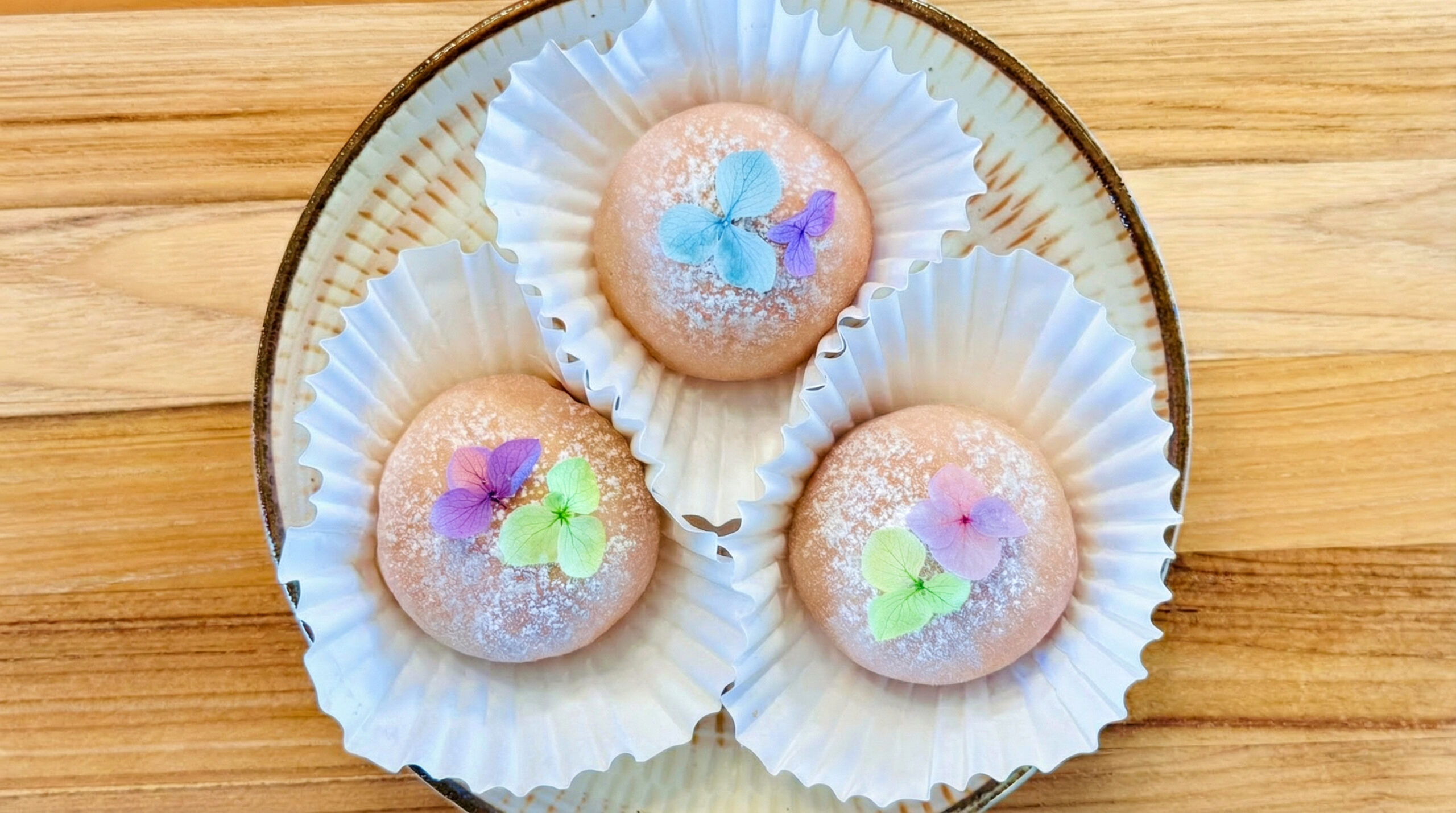
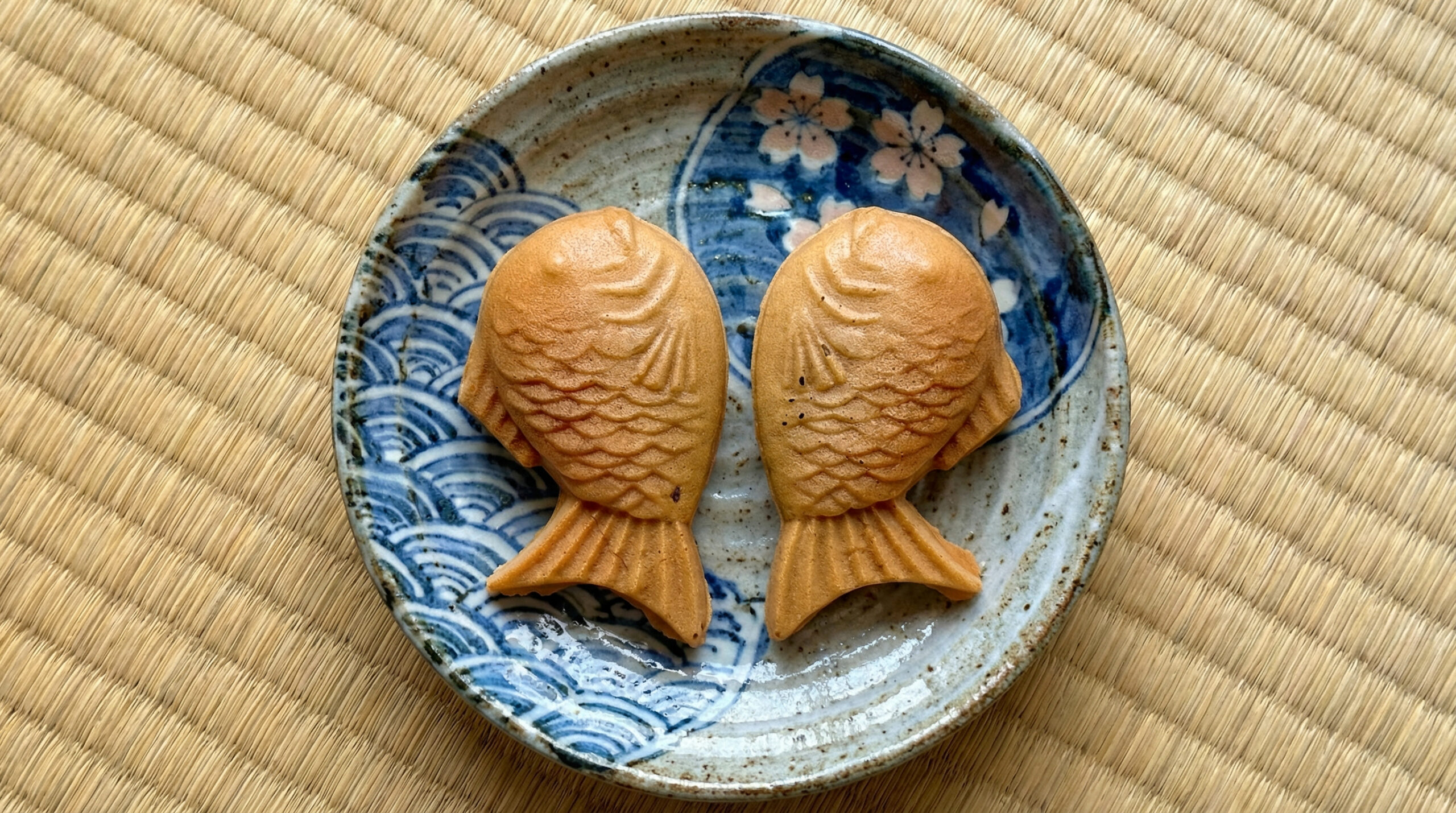
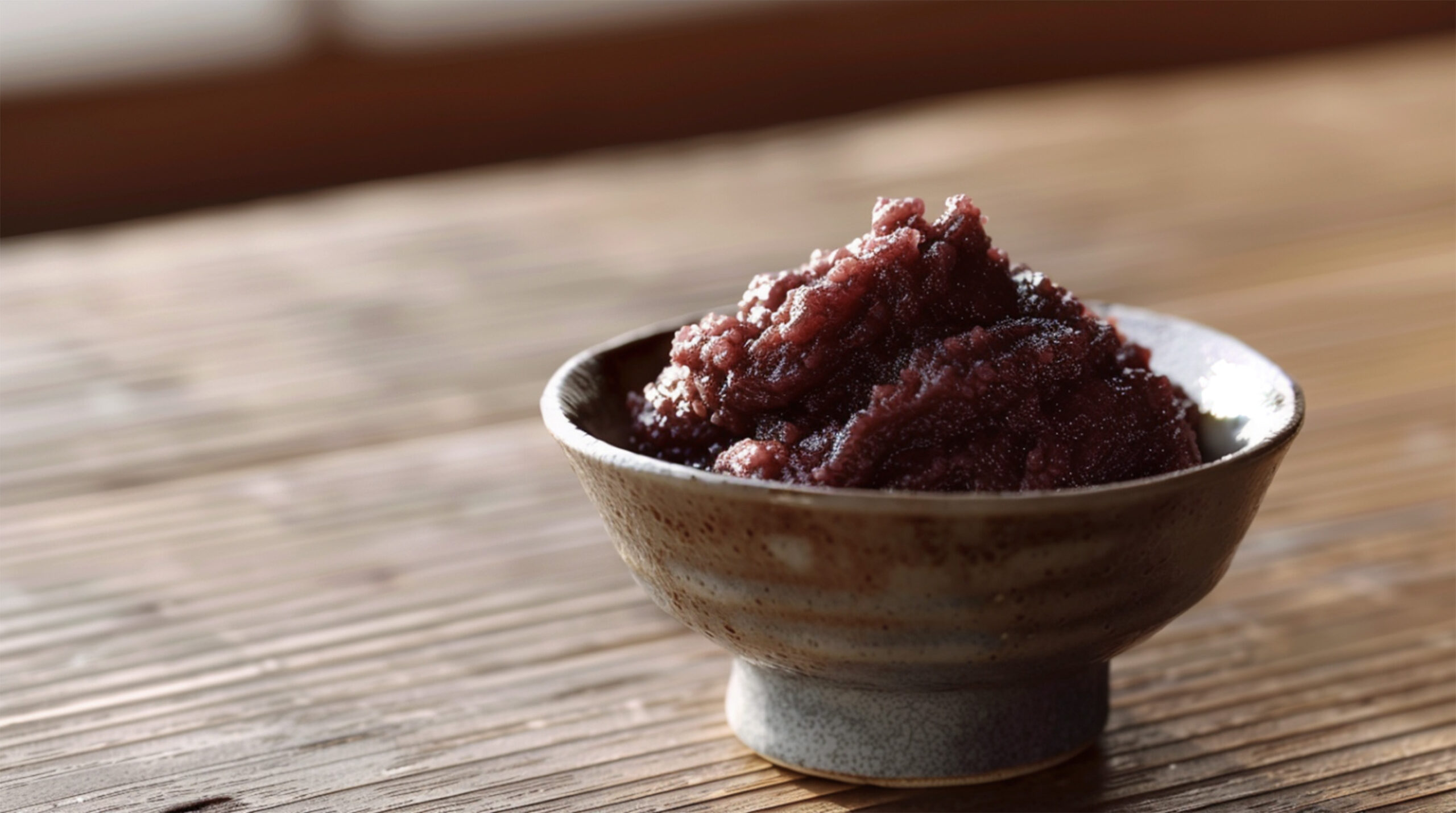
Sweet red bean paste—known as anko (餡子, あんこ) in Japanese, made from adzuki beans—sits at the heart of countless beloved desserts: daifuku mochi, taiyaki, dorayaki, steamed buns, and festival treats alike. It’s comfort and craft in one spoonful: gentle sweetness, silky body, and a warmth that reads as home in many cultures.
Adzuki beans also carry deep medicinal value in Traditional Chinese Medicine (TCM). Red-colored foods are associated with the heart and blood, symbolizing vitality and nourishment. Adzuki beans, in particular, are believed to support digestion, promote circulation, and help the body release excess fluid, making them a favorite ingredient for restoring balance and inner harmony.
It’s a small reminder that food can be both healing and joyful.
However, if you’ve ever made red bean paste from scratch, you know it’s a half-day commitment. Between soaking, boiling, and mashing dry beans, the process can take hours — which is why most people end up buying ready-made anko. While convenient, store-bought versions are packed with sugar, and even a small serving can blow past a mindful day’s carb allowance.
If you’re low-carb like me, or simply prefer eating cleaner, I’ll show you how to make homemade anko faster, cleaner, and completely sugar-free.
What You Need to Make Sugar-Free Red Bean Paste (Anko) — The Quick, Clean Way
The secret lies in using pre-cooked adzuki beans.
You’d think they’d be easy to find, but it took me longer than expected. Thankfully, I discovered these ruby gems at Whole Foods and Vitacost — Organic Aduki Beans by Eden Foods.
What I love most about this product — and many of Eden’s — is that the beans are pre-soaked before pressure cooking. If you’ve ever looked into the work of Dr. Steven Gundry, you’ll know why that matters: soaking and pressure-cooking beans can dramatically reduce lectins, which are plant compounds linked to digestive irritation for some people.
By starting with Eden Organic Aduki Beans, already soaked, pressure-cooked, and unsweetened, you can skip all the prep work and go straight to the rewarding part — transforming them into smooth, silky anko in under an hour.
- Ingredients (makes about 28 pieces of 25g red bean filling)
- 2 cans (15 oz each) Eden Organic Aduki Beans
- 155g allulose
- 35g MCT oil or refined coconut oil (avoid unrefined unless you want a coconut flavor)
- ¼ tsp flaky sea salt (or ⅛ tsp Himalayan fine salt)
- Tools
- Blender or food processor
- Silicone spatula
- Kitchen scale (recommended for accuracy)
- Medium-size (2.5 quart) nonstick saucepan
💡 Don’t have an hour to spare stirring the pot? Check out this smart automatic stirrer — it’s truly a lifesaver! I use it for making all my sugar-free jams and red bean paste now, and it’s been a total game changer.
👉🏻 If you do get one, select the ‘Slow/Soup’ option, set the temperature to 195°F, and stir for a total of 55 minutes.
How to Make Sugar-Free Red Bean Paste
- Drain both cans of beans to remove excess liquid.
- Blend until smooth. Once blended, you should have a thick, velvety puree that flows slowly off the spatula — smooth but not watery.
- Transfer the puree to a clean saucepan: cook the puree down over medium heat for about 30 minutes. At this stage, the mixture is wet and runny. Stir constantly to prevent burns.
- As the moisture evaporates, the paste becomes less runny. You can see it starts separating from the bottom of the non-stick pot, but it is still quite sticky to the spatula. This is when you can reduce the heat from medium to low so you don’t burn it.
- Add the sweetener: stir in 155g allulose, and continue cooking the paste for another 15 minutes.
💡 The key is patience and low heat — you’re slowly evaporating moisture, not frying the paste. - Finish with oil and salt: add 35g refined coconut oil and ¼ tsp flaky sea salt. Continue stirring for another 5-10 minutes or until the paste reaches the desired consistency—slightly dry and moldable, but not overly stiff.
💡 The right finish should look glossy, thick, and soft enough to hold its shape on a spoon. Keep in mind the anko will thicken more as it cools, so turn off the heat just before it reaches your preferred texture.
💡 If you want to use the paste to create mochi daifuku and anko pastry, thick paste is preferred because you need to round the paste into balls. For desserts like doroyaki and taiyaki, the bean paste can be softer and slightly moist. - Cool completely: transfer the hot anko to an airtight container and let it rest until fully cooled.
Storage
- Keep refrigerated for up to 7 days, or freeze in small portions for up to a month.
- To use, simply thaw or warm gently before spreading or filling your favorite mochi treats.
Carb Math
- Eden Organic Aduki Beans nutrition facts list 19g total carbs and 5g fiber per 130g (½ cup) serving → 14g net carbs.
- That’s 0.108g net carbs per gram of beans (14 ÷ 130).
- A filling of 25g anko is ≈ 2.7g net carbs (25 × 0.108), which we round to about 3g net carbs.
- We use allulose, which counts as 0g net carbs so it doesn’t raise the carb total.
Quick take: Each 25g serving of this sugar-free anko is ~3g net carbs. 👉🏻 For daifuku, we recommend pairing 25g of filling with 35g mochi dough—this gives you the perfect balance of chewy skin and flavorful center.
Tips for Success
- Add sweetener and oil in stages – It’s tempting to add everything at once, but resist the urge. Adding sweetener and oil too early prevents proper moisture evaporation—sugar increases viscosity, and oil coats the beans, locking in water. By stirring down the bean paste first, you allow it to thicken naturally before enriching it with sweetness and fat. This sequence creates a smoother, more refined texture and a silkier mouthfeel.
- Watch your heat – Keep the heat medium at the beginning to drive off excess moisture, then reduce to low as the paste thickens. The key is evaporation, not frying. Overcooking or using high heat can scorch the paste or cause it to seize into a stiff, dry mass.
- Adjust consistency for different desserts – For daifuku or mochi fillings, cook the paste until thick and moldable so it can be rolled into smooth balls. For dorayaki or taiyaki, stop earlier to keep it slightly moist for easier spreading and a softer bite.
- Finding the perfect texture – Anko generally comes in two styles—koshian (こし餡), silky and refined, and tsubuan (つぶあん), rustic and full of texture, with bits of adzuki beans left whole for a natural bite. For daifuku or mochi fillings, a smooth koshian style works beautifully; for dorayaki or taiyaki, keeping some texture adds character and a pleasant contrast.
- Don’t rush the finish – The paste will continue to thicken as it cools. Turn off the heat while it still looks slightly softer than you think—it will firm up beautifully once cooled.

Bringing Tradition Forward — One Spoonful at a Time
This sugar-free anko proves that tradition and mindfulness don’t have to be at odds. It’s the same comforting sweetness you remember—now made clean, simple, and low-carb.
Pair it with our Daifuku Mochi to create your own guiltless daifuku at home, or swirl a spoonful into our Breakfast Mochi Muffins for a red-bean center that tastes like classic Japanese anpan (あんパン).
Feeling adventurous? Recreate your own Mochi Taiyaki or Dorayki for a nostalgic Japanese treat.
Whichever way you enjoy it, this little jar of red bean joy brings the warmth of wagashi (和菓子) and the grace of modern living together—one spoonful at a time.
From our kitchen to yours,
Mochi Cloud Sweets ♡
✨ Need a little inspiration? Your sugar-free anko can transform into countless treats. Discover more ideas across our Mochi Cloud Sweets recipes — clean ingredients, perfect texture, and just 1g net carb per serving.
📷 Share Your Creations: Tag us @MochiCloudSweets on Instagram—we would love to see your masterpieces!